



Other Monoterpenes
-
Other Monoterpenes (178)

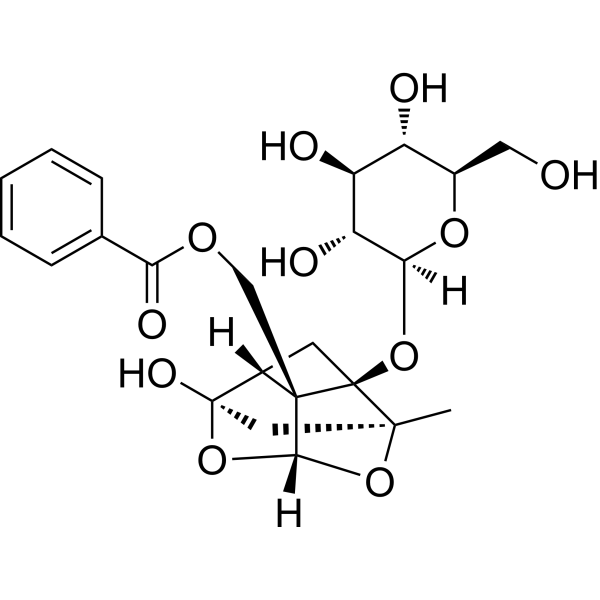
- Formula: C23H28O11
- Molecular Weight: 480.46
Paeoniflorin is a heat shock protein-inducing compound and commonly exists in the plants of Paeoniaceae family, with various biological activities, including anticancer activity, anti-inflammatory activity, enhancing cognition and attenuating learning impairment, anti-oxidative stress, antiplatelet aggregation, expansion of blood vessels, and reducing blood viscosity.
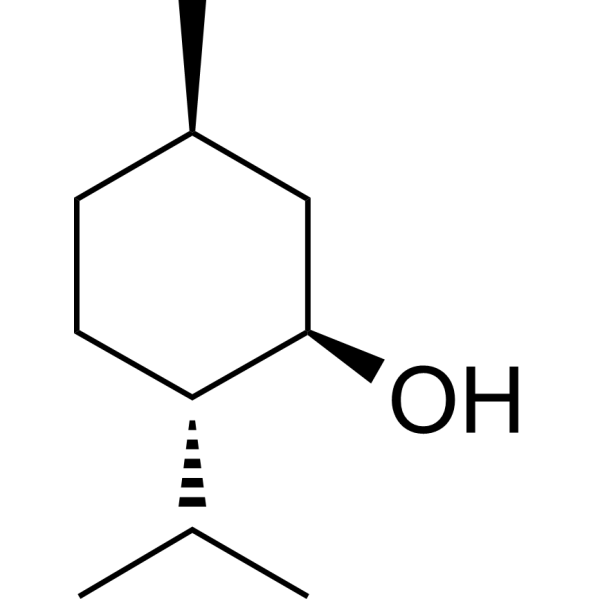
- Formula: C10H20O
- Molecular Weight: 156.27
(-)-Menthol is a key component of peppermint oil that binds and activates transient receptor potential melastatin 8 (TRPM8), a Ca2+-permeable nonselective cation channel, to increase [Ca2+]i. Antitumor activity.
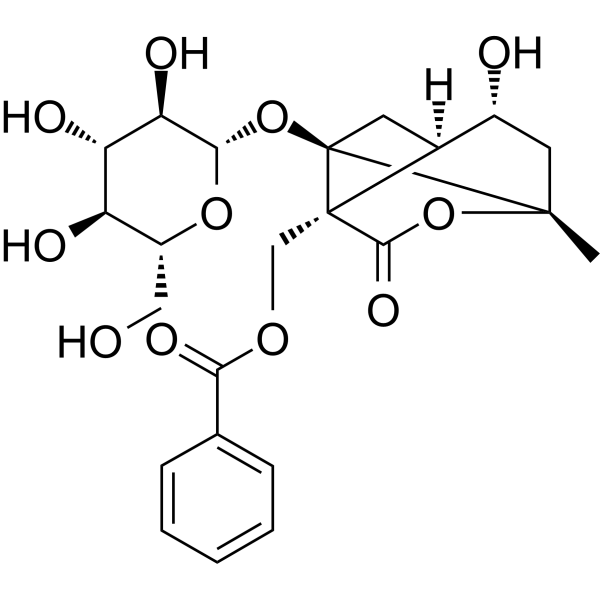
- Formula: C23H28O11
- Molecular Weight: 480.46
Albiflorin, a major constituent contained in peony root, is a brain-penetrant monoterpene glycoside with neuroprotective effects. Albiflorin also has anti-inflammatory, antioxidant and antinociceptive effects.
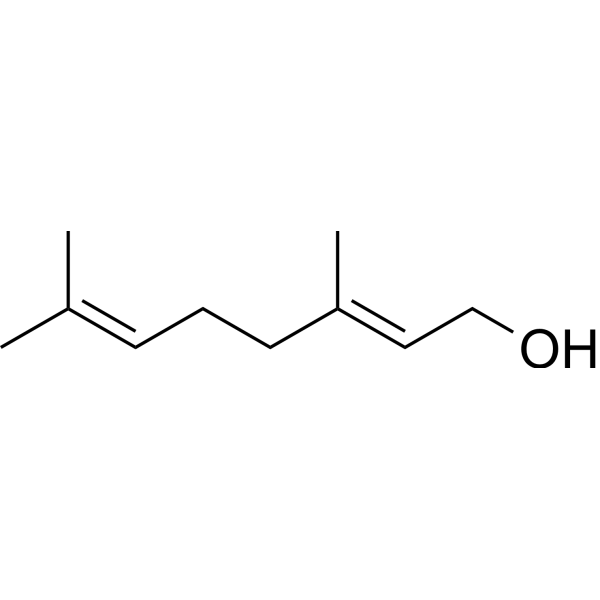
- Formula: C10H18O
- Molecular Weight: 154.25
Geraniol is an olefin terpene with oral activity. Geraniol inhibits cell proliferation and promotes apoptosis. Geraniol has antibacterial, antifungal, antioxidant, anti-inflammatory and antitumor activities. Geraniol can be used to study diabetes.
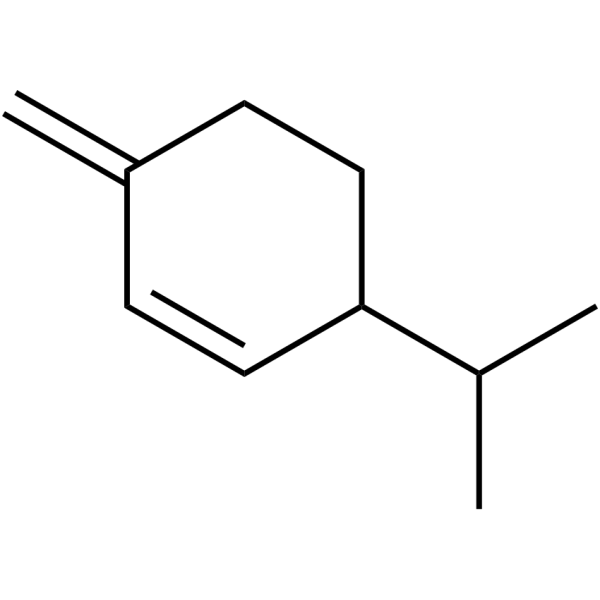
- Formula: C10H16
- Molecular Weight: 136.23
β-phellandrene is an orally active monocyclic monoterpenes. β-Phellandrene is obtained from Carum petroselinum. β-phellandrene has strong ability to kill pest. β-phellandrene can be used as oil additives, natural pesticides and synthetic materials.

- Formula: C21H30O3
- Molecular Weight: 330.46

- Formula: C21H36O9
- Molecular Weight: 432.51
Neo-rehmannioside is a carotenoid glycoside that can be isolated from the dried roots of Rehmannia glutinosa.

- Formula: C19H22O6
- Molecular Weight: 346.37
2-Deethoxy-2-hydroxyphantomolin, Germacranolide, is an Antifungal and Antibacterial agent. 2-Deethoxy-2-hydroxyphantomolin can be isolated from Elephantopus tomentosus Linn and E. mollis. 2-Deethoxy-2-hydroxyphantomolin is moderately active against Candida albicans (14 mm clearing zone) and slightly active against Escherichia coli (12 mm), Pseudomonas aeruginosa (12 mm), Bacillus subtilis (14 mm), and Trichophyton mentagrophytes (13 mm).
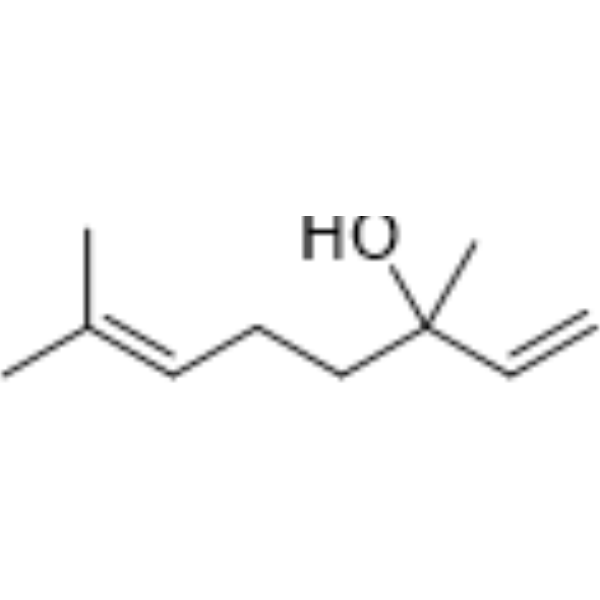
- Formula: C10H18O
- Molecular Weight: 154.25
Linalool is a natural monoterpene which is a competitive NMDA receptor antagonist. Linalool is orally active and crosses the blood-brain barrier. Linalool has anticancer, antibacterial, anti-inflammatory, neuroprotective, anxiolytic, antidepressant, anti-stress, cardioprotective, hepatoprotective, nephroprotective and pulmonary protective activities.
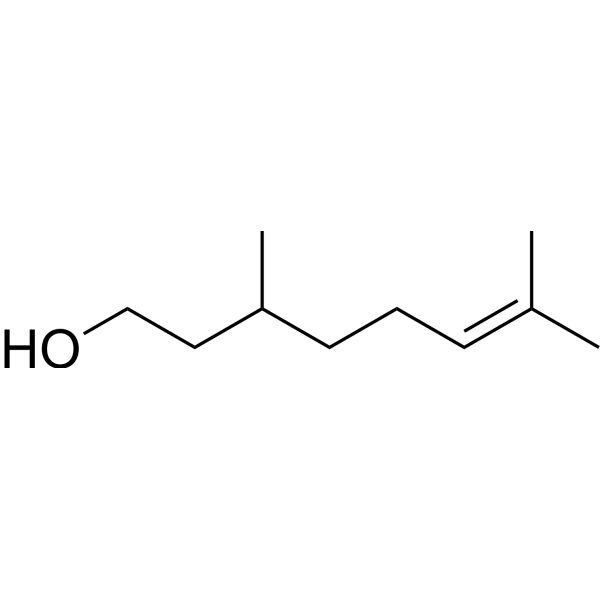
- Formula: C10H20O
- Molecular Weight: 156.27
Citronellol ((±)-Citronellol) is an orally active inducer of apoptosis. Citronellol can prevent oxidative stress, mitochondrial dysfunction, and apoptosis in the SH-SY5Y cell Parkinson's disease model induced by 6-OHDA by regulating the ROS-NO, MAPK/ERK, and PI3K/Akt signaling pathways. Citronellol can induce necroptosis in human lung cancer cells through the TNF-α pathway and accumulation of ROS. Citronellol can reduce the levels of LC-3 and p62 to regulate the autophagy pathway, inhibit oxidative stress and neuroinflammation, and thus have neuroprotective effects on Parkinson's rats. Citronellol exhibits anti-fungal activity against Trichophyton rubrum by inhibiting ergosterol synthesis.
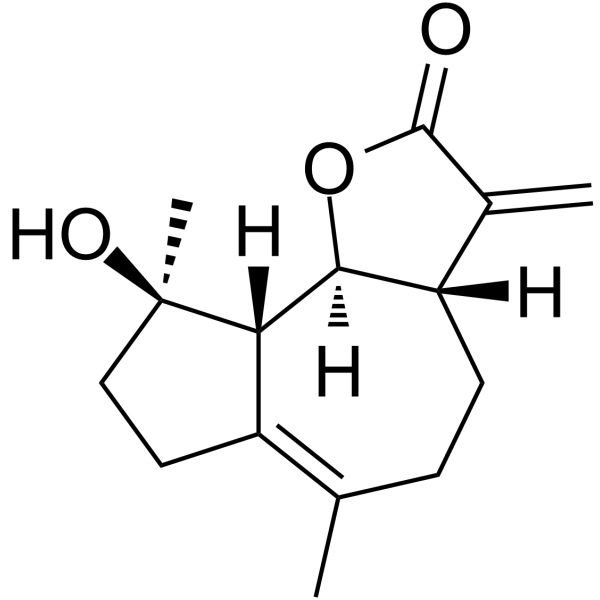
- Formula: C15H20O3
- Molecular Weight: 248.32
Micheliolide is a sesquiterpene lactone with anti-cancer and anti-inflammatory effects, which is derived from Michelia compressa and Michelia champaca. Micheliolide can attenuate high glucose-stimulated NF-κB activation, IκBα degradation, and the expression of MCP-1, TGF-β1, and FN in mouse mesangial cells. Micheliolide inhibits LPS (HY-D1056)-induced activation of NF-κB and PI3K/Akt/p70S6K pathways to play an anti-inflammatory role. Micheliolide inhibits dextran sodium sulphate (DSS) (HY-116282)-induced inflammatory intestinal disease, colitis-associated cancer and rheumatic arthritis.
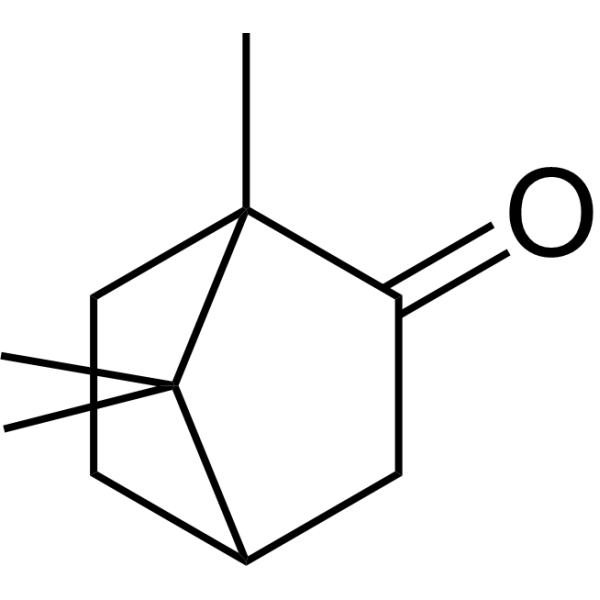
- Formula: C10H16O
- Molecular Weight: 152.24
Camphor ((±)-Camphor) is a topical anti-infective and anti-pruritic and internally as a stimulant and carminative. However, Camphor is poisonous when ingested. Antiviral, antitussive, and anticancer activities. Camphor is a TRPV3 agonist.
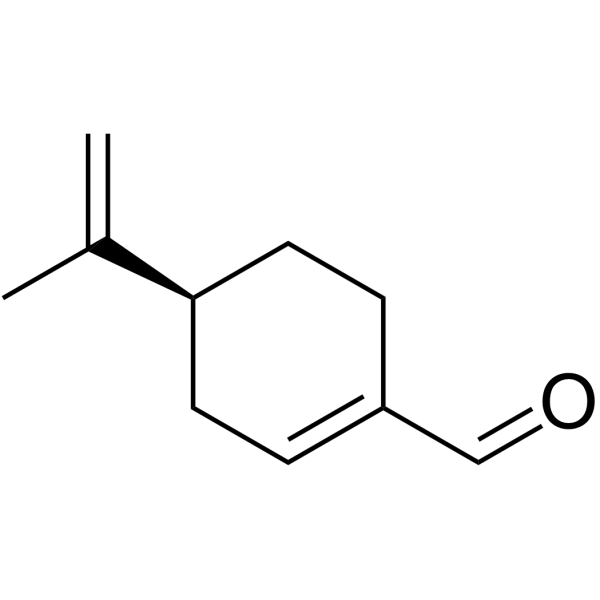
- Formula: C10H14O
- Molecular Weight: 150.22
L-Perillaldehyde is a major component in the essential oil containing in Perillae Herba. Inhalation of L-Perillaldehyde shows antidepressant-like activity through the olfactory nervous function.
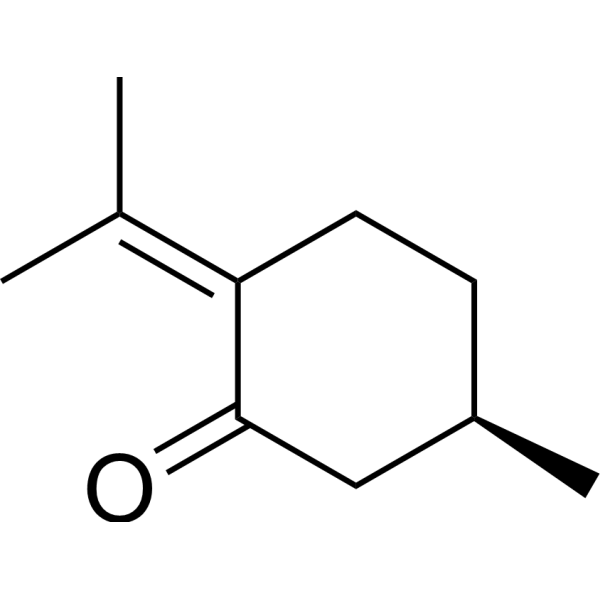
- Formula: C10H16O
- Molecular Weight: 152.23
Pulegone is a monoterpene ketone compound widely present in the essential oils of many plants. Pulegone can also be used as a bird repellent. Pulegone has multiple activities such as anti-inflammatory, antibacterial, antifungal, and anti-hyperalgesic effects. Pulegone is particularly effective against bacteria of the Salmonella species.
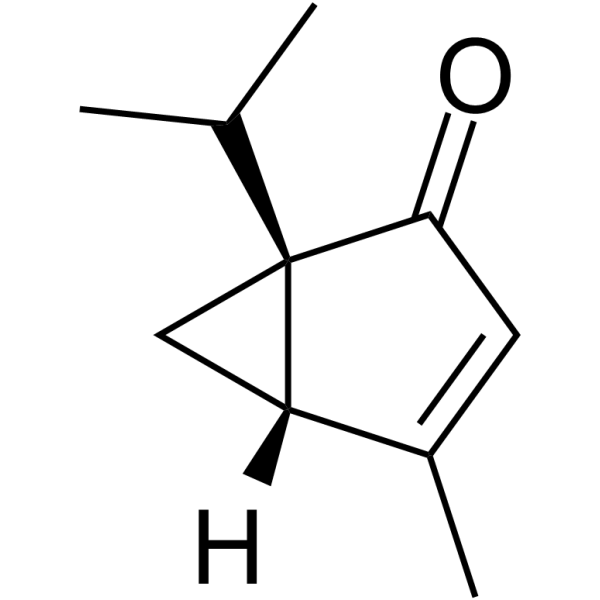
- Formula: C10H14O
- Molecular Weight: 150.22
Umbellulone is an active constituent of the leaves of Umbellularia californica. Umbellulone stimulates the TRPA1 channel in a subset of peptidergic, nociceptive neurons, activating the trigeminovascular system via this mechanism.
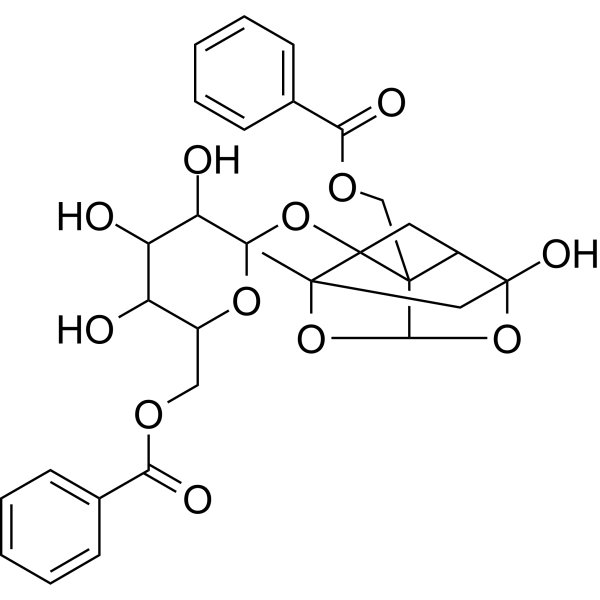
- Formula: C30H32O12
- Molecular Weight: 584.57
Benzoylpaeoniflorin is an orally active monoterpene glycoside compound. Benzoylpaeoniflorin exerts anti-inflammatory, anti-allergic, psoriasis-improving and sepsis-improving effects by inhibiting signaling pathways such as TNF/NF-κB and MAPK, as well as regulating immune homeostasis. Benzoylpaeoniflorin can be used in research related to immune, allergic and inflammatory diseases.
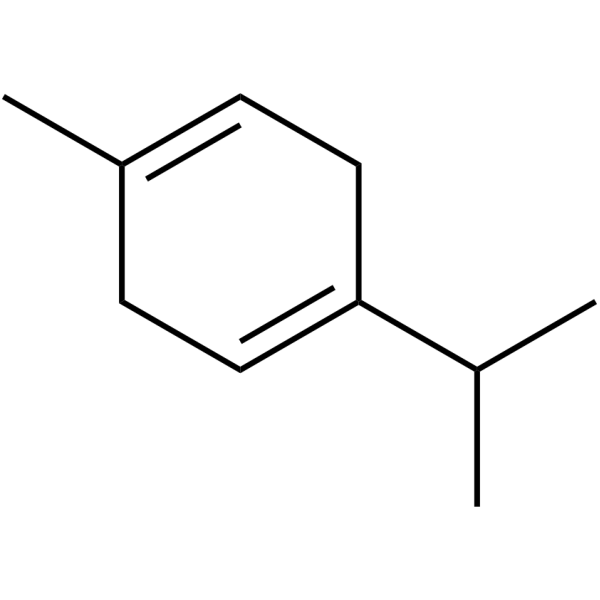
- Formula: C10H16
- Molecular Weight: 136.23
γ-Terpinene, a monoterpene, is an orally active antioxidant compound which can scavenge radicals directly. γ-Terpinene has potent antinociception activity. γ-Terpinene exhibits antimicrobial efficacy against various bacteria and fungi.
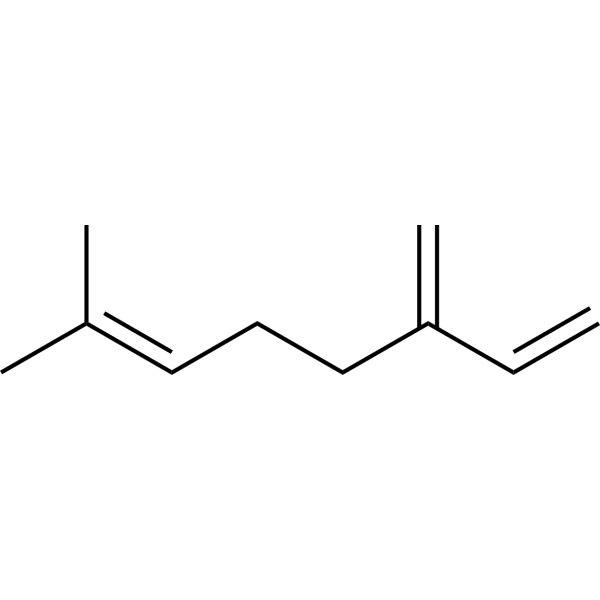
- Formula: C10H16
- Molecular Weight: 136.23
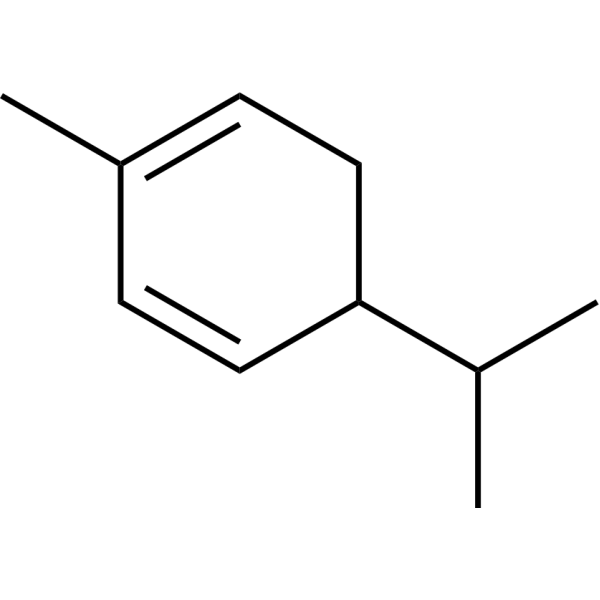
- Formula: C10H16
- Molecular Weight: 136.23
α-Phellandrene (alpha-Phellandrene) is an orally active monoterpenoid and insecticide. α-Phellandrene can be isolated from plant essential oils. α-Phellandrene induces Apoptosis and Autophagy. α-Phellandrene promotes cAMP signaling pathway and increases NO production. α-Phellandrene has anti-inflammatory and anticancer (sarcoma) activities. α-Phellandrene shows insecticidal activity against Lucilia cuprina L3. α-Phellandrene reduces mechanical hyperalgesia.
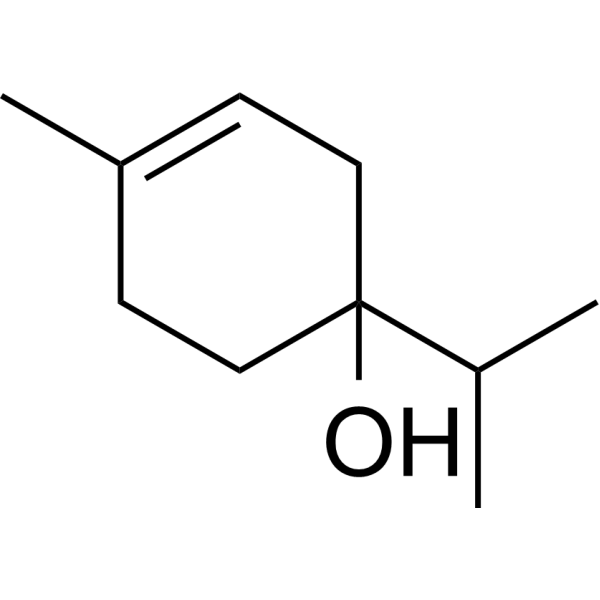
- Formula: C10H18O
- Molecular Weight: 154.25
Terpinen-4-ol (4-Carvomenthenol) is a naturally occurring monoterpene, and can be extracted from a variety of aromatic plants. Terpinen-4-ol is a potent bactericidal agent which possess antifungal , anti-inflammatory and antitumor properties as well, suggesting Terpinen-4-ol to be used for relevant research.



